Culture
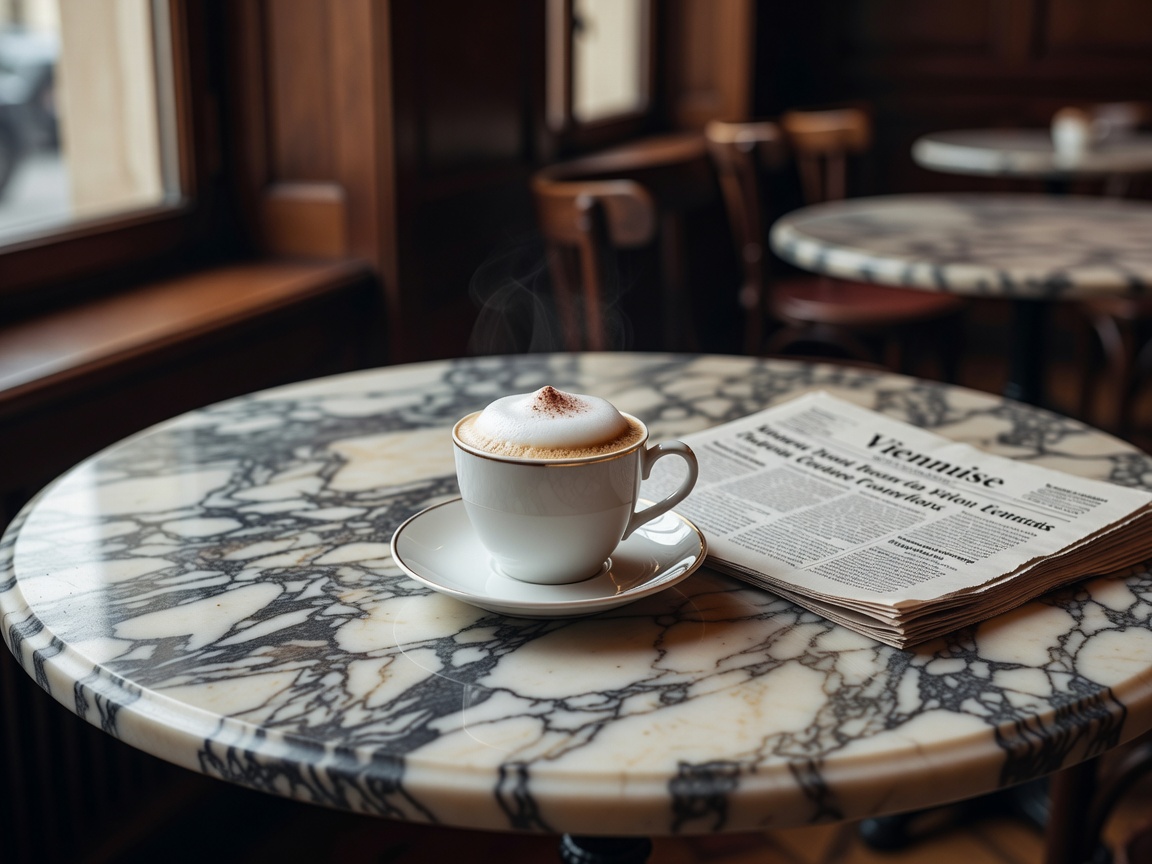
The UNESCO Art of Sitting Still
Ordering, tipping and lingering in a Viennese coffee house without giving yourself away.
EtiquetteHeritage
How a sixteen-year-old apprentice's improvisation in 1832 became the most litigated dessert in European history — and why the word "Original" on a chocolate cake is a legal statement, not a boast.
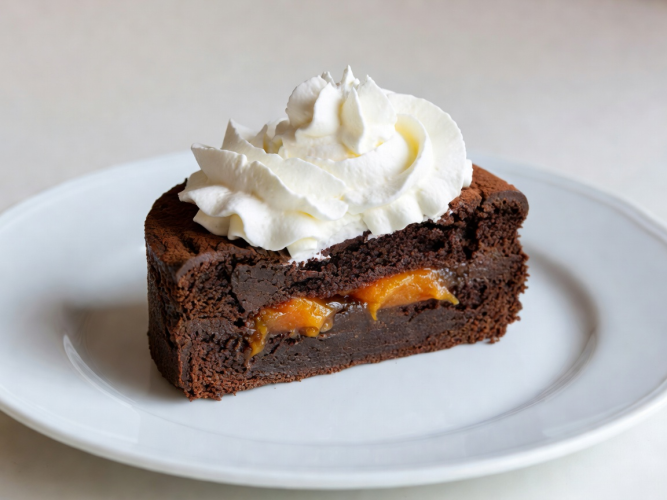
The founding story is repeated so often in Vienna that it has hardened into liturgy. Prince Klemens von Metternich, Austria's state chancellor, ordered a dessert for a gathering of distinguished guests. His head pastry chef was ill. The task fell to a second-year apprentice, Franz Sacher, then sixteen years old. What he produced was a dense chocolate sponge, split and layered with apricot jam, sealed under a chocolate glaze that set to a matte shell.
There is no evidence that anyone at the table recognised a landmark. Franz Sacher went on to a working life as a chef in Pressburg and Budapest before returning to Vienna, and it was only later — much later — that the cake acquired the mythology it now carries.
Franz's son Eduard trained at Demel, the imperial court confectioner on the Kohlmarkt, and refined the recipe into something closer to the cake served today. In 1876 Eduard opened Hotel Sacher on Philharmonikerstrasse, opposite the newly completed Court Opera. The torte became the house's signature and, after Eduard's early death in 1892, his widow Anna Sacher turned the hotel into one of the most socially significant addresses in the empire — and the cake into a brand.
This is where the story becomes commercial rather than culinary. Anna's son, Eduard Sacher junior, ran into financial difficulty in the 1930s. By some accounts he worked for Demel during this period and sold or licensed rights associated with the recipe. Demel began selling a cake under the name Eduard-Sacher-Torte, marked with a triangular seal. Hotel Sacher continued selling its own, marked with a round chocolate medallion.
Two cakes, two seals, one name — and an Austrian legal system asked to decide which chocolate was more authentic than the other.
The dispute ran through Austrian courts across decades from the 1930s into the 1960s, interrupted by war and occupation. The questions argued were unusually precise for a dessert case:
The settlement reached in the 1960s produced the arrangement that still stands. Hotel Sacher retained the right to market the Original Sacher-Torte, with its round seal. Demel continued to sell its version under its own distinct designation with the triangular seal. Both survive; both sell in volume; neither concedes.
The most commonly cited distinction is the jam. The Hotel Sacher version carries apricot jam in a seam through the middle of the cake as well as a thin coat under the glaze; the Demel version applies the apricot only beneath the glaze. Secondary differences involve the chocolate used for the glaze, the fat in the sponge, and the temperature at which the glaze is poured.
The thing nobody argues about is the cream. Viennese practice serves the torte with ungesüßtes Schlagobers — unsweetened whipped cream — beside the slice, never on it. The cake is deliberately dry; the cream is the correction. Ordering it without is technically permitted and socially eccentric.
Both houses ship worldwide and sell sealed wooden presentation boxes in multiple diameters. The cake keeps well — it is designed to, since apricot and chocolate are both preservative in effect — and travels better than almost any other patisserie in Europe. If you are flying, buy on the day of departure and carry it in the cabin; hold luggage temperatures do the glaze no favours.
Ordering, tipping and lingering in a Viennese coffee house without giving yourself away.
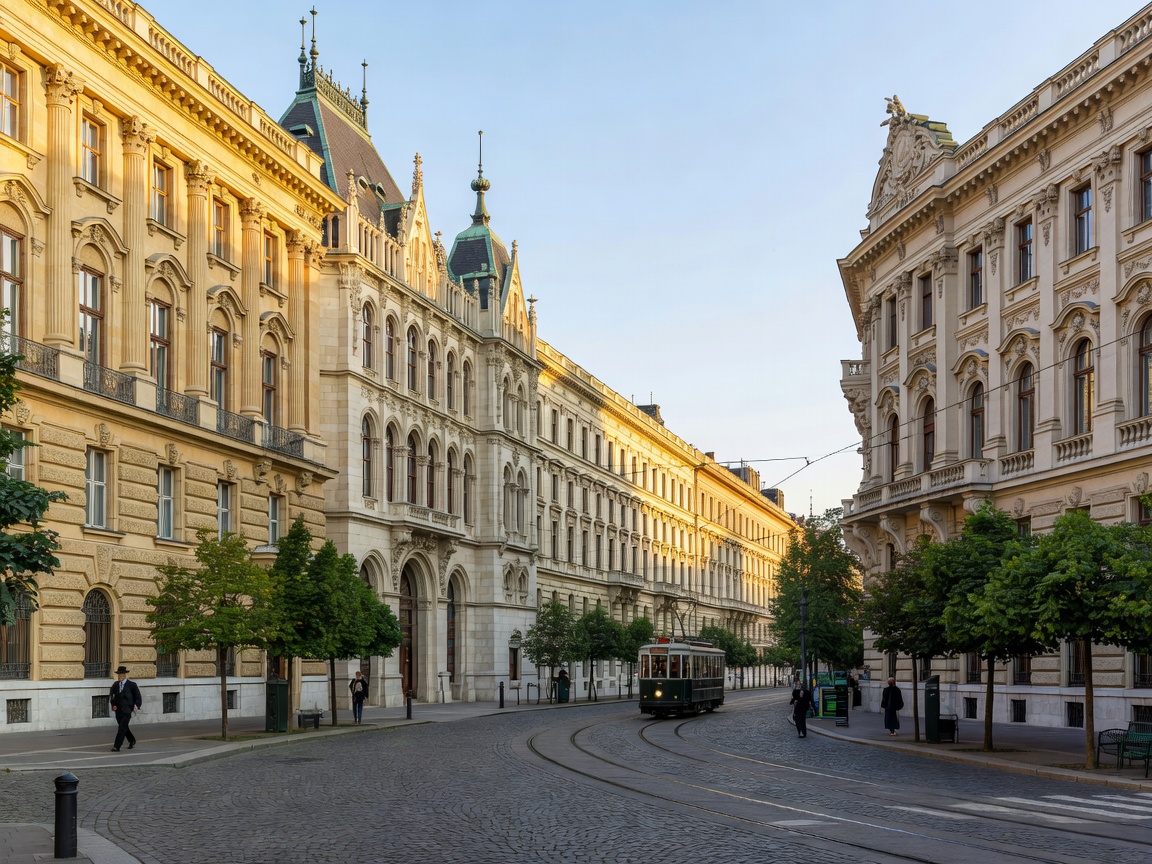
5.3 kilometres, twelve stops, and the café breaks that make it civilised.