Wellness
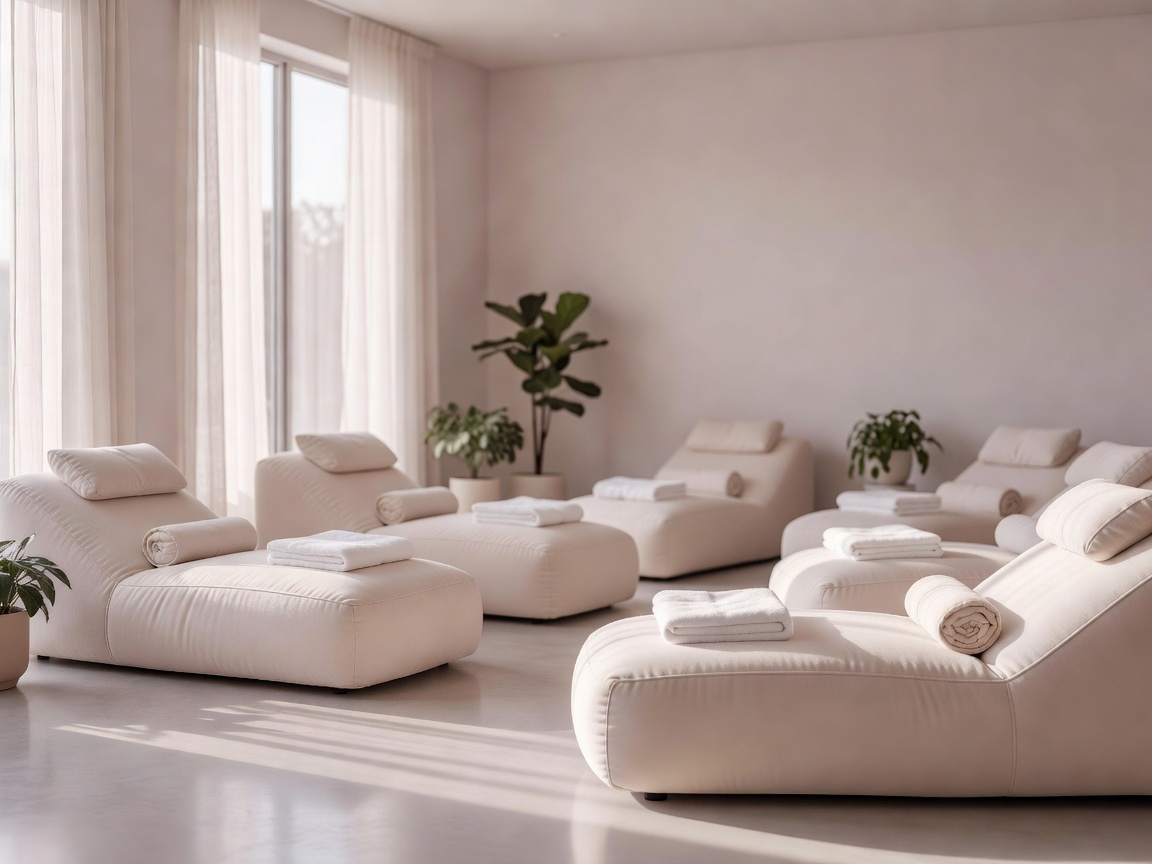
Palace Wellness in Vienna
Where to recover after 5.3 kilometres of pediments and porticoes.
SpaSauna
In 1857 Emperor Franz Joseph I ordered Vienna's medieval walls demolished. What replaced them was a 5.3-kilometre boulevard of museums, ministries and private palaces — and, eventually, the hotels in this collection.
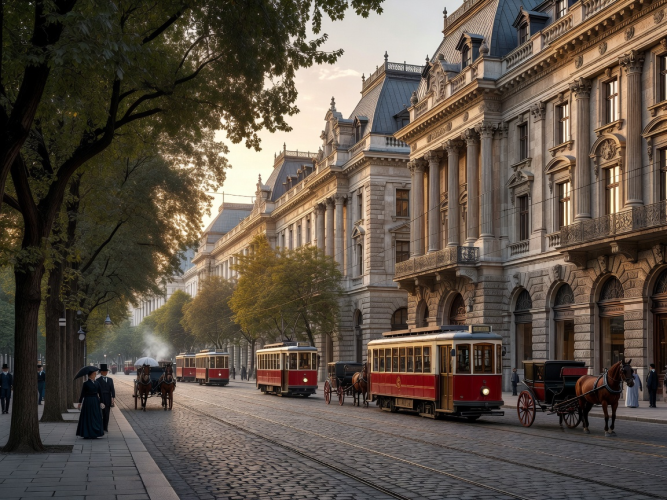
Vienna spent centuries inside fortifications built to survive Ottoman siege. By the mid-nineteenth century the walls were militarily obsolete and economically absurd: they separated the crowded Inner Stadt from the suburbs by a broad band of empty ground known as the glacis, kept clear for lines of fire. In December 1857 the Emperor issued the decree — "Es ist Mein Wille" — that opened this land for development.
What followed was one of the largest coordinated urban projects of the century. The ring road was laid out with a width of 57 metres, planted with trees, and lined with buildings that deliberately borrowed historic styles to express their function: Gothic for the city hall, Greek for parliament, Renaissance for the university and museums, Baroque for the theatre. Historians call it Ringstrasse historicism. Critics at the time called it a costume party. Both are right.
Allow 2 hours at a walking pace with stops, or 3.5 hours if you enter any building. Trams 1, 2 and D cover overlapping segments if you want to shorten it. Start at the State Opera, which is directly behind Hotel Sacher.
| Stop | Built | Walk from previous | Look for |
|---|---|---|---|
| Vienna State Opera | 1861–69 | Start | The loggia frescoes; the rear facade on Philharmonikerstrasse |
| Kunsthistorisches & Naturhistorisches Museums | 1871–91 | 7 min | Twin facades framing Maria-Theresien-Platz |
| Parliament | 1874–83 | 6 min | Pallas Athene fountain; the Greek temple front |
| Rathaus (City Hall) | 1872–83 | 4 min | The 98-metre tower and the Rathausmann figure |
| Burgtheater | 1874–88 | 3 min | Klimt's early ceiling paintings on the staircases |
| University of Vienna | 1877–84 | 4 min | The arcaded courtyard — free to enter |
| Votivkirche | 1856–79 | 6 min | Twin 99-metre neo-Gothic spires |
| Börse (Stock Exchange) | 1874–77 | 7 min | Red brick and terracotta — a Hansen design |
| Schottenring & the canal turn | 1860s–70s | 8 min | Where the Ring meets the Danube Canal |
| Postsparkasse (just off the Ring) | 1904–12 | 12 min | Otto Wagner's aluminium bolts — modernism arrives |
| Stadtpark & Parkring palais | 1862 onwards | 6 min | The Kursalon, the Strauss monument, Almanac Palais |
| Schubertring & Kärntner Ring | 1870s | 7 min | The Ritz-Carlton's four palais; Hotel Imperial; back to the Opera |
Parliament and the Rathaus stand almost adjacent and are stylistically incompatible on purpose. The Greek temple asserts democratic antiquity; the Gothic hall asserts municipal and burgher tradition. Read the Ring as a debate about who should govern a modernising empire, conducted in stone.
Between the monuments sit rows of residential palais built for bankers, industrialists and ennobled families. They are less photographed and, architecturally, often more disciplined. Several now house hotels, embassies and institutions — which is precisely why you can walk into them.
By 1900 the Ring's historicism was under open attack. Adolf Loos built his famously unornamented Looshaus on Michaelerplatz in 1910, directly opposite the Hofburg; Otto Wagner's Postsparkasse rejected stone ornament for riveted aluminium. Both are within a short detour, and both make more sense after two hours of pediments.
The Ringstrasse is not a street. It is an argument about the nineteenth century that the twentieth century then interrupted.
Trams 1 and 2 between them cover most of the Ring; line D runs along the Parkring and Schubertring stretch. A standard Wiener Linien single ticket costs a few euros and is valid for one direction of travel with changes. The often-advertised "Vienna Ring Tram" tourist service exists but is materially more expensive than simply riding the public lines with a day pass.
Where to recover after 5.3 kilometres of pediments and porticoes.
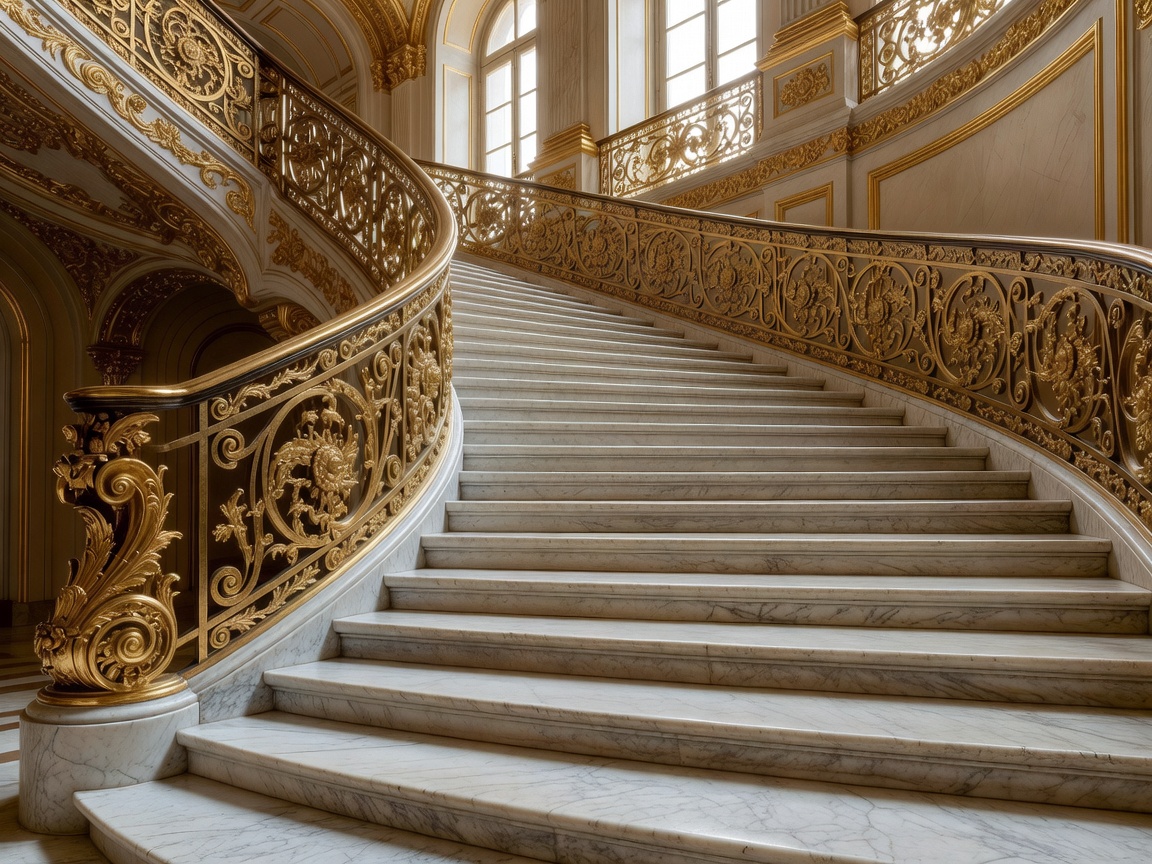
The Ringstrasse palais you can sleep in — built 1863, a hotel since 1873.