Food history
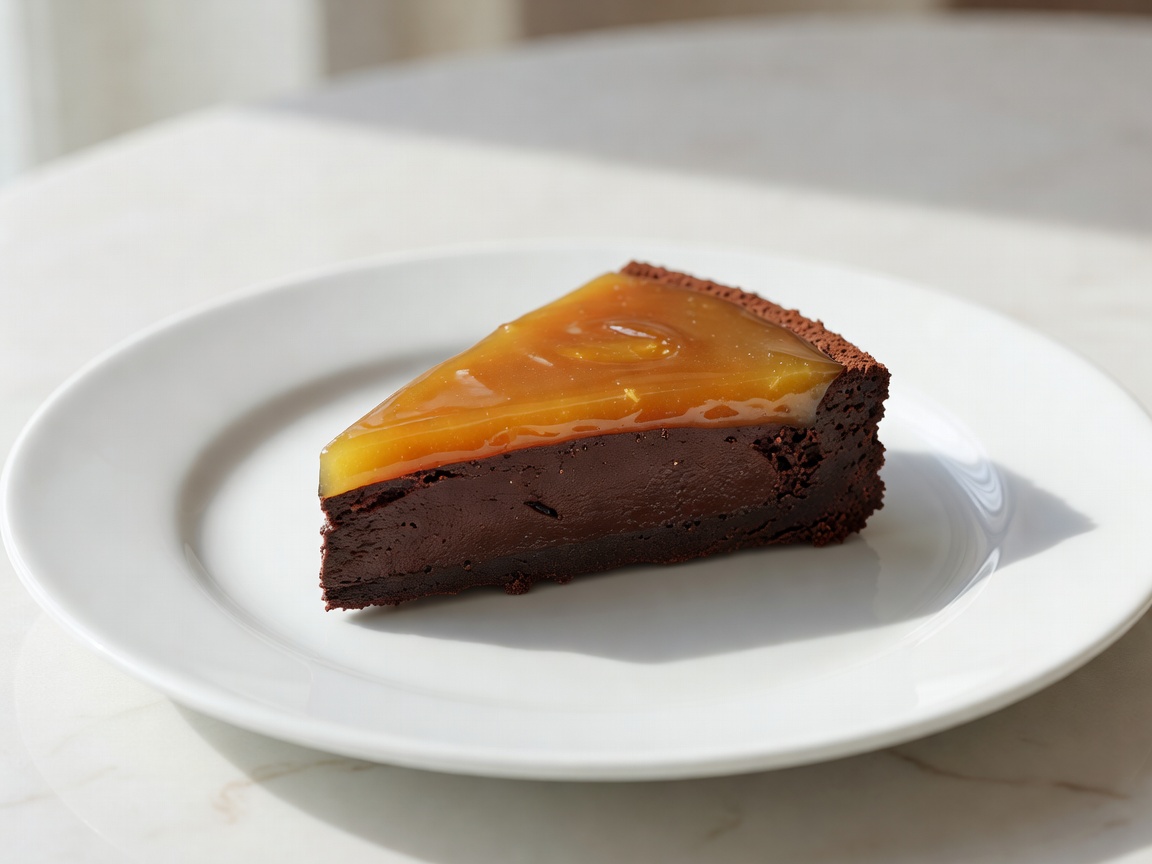
The Chocolate Lawsuit
The counterweight to all this wellness: Vienna's most litigated dessert.
SacherDemel
Vienna invented the sanatorium culture that the twentieth century exported worldwide — yet its grand hotels take strikingly different positions on what a spa should be. Here is what each one actually delivers.
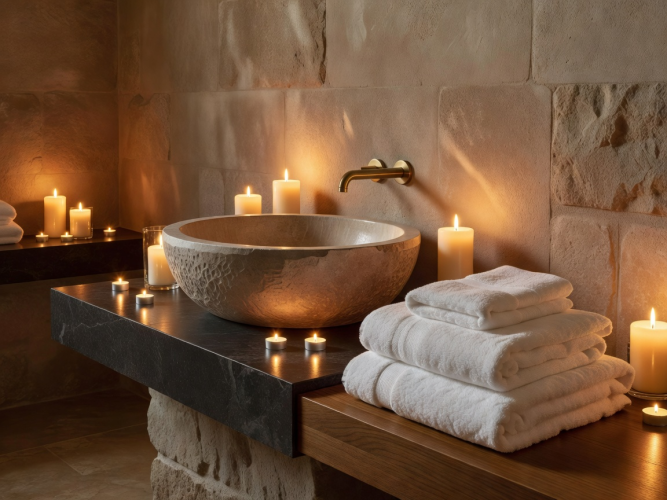
Central European wellness has a specific logic, and it is not the logic of the tropical resort spa. It is thermal and cyclical: heat, cold, rest, repeat. Sauna culture here is typically textile-free and mixed, silence is expected in the cabins, and the recovery phase between rounds is treated as the active part of the process rather than an interval. A grand hotel spa in Vienna is judged on whether it lets you complete that cycle properly.
By that standard, our five houses fall into three clear groups.
Roughly 1,000 m² across the spa floor, with a heated indoor pool, sauna, steam room, relaxation areas, a full-size 24-hour gym and a treatment menu that runs to couples' rooms. It is the only house among the five where you can swim lengths, complete a proper sauna cycle and lift weights on the same morning. For stays of four nights or more, or for travellers whose routine does not pause for holidays, this is decisive. Full profile: The Ritz-Carlton, Vienna.
Asaya is Rosewood's integrative wellness concept, and its Vienna expression is more interesting than its size suggests. Rather than selling individual 60-minute massages, the model builds short programmes: a combination of bodywork, movement, breathing and nutrition consultation across two or three days. Treatment rooms, fitness studio and thermal facilities support that. There is no swimming pool, and if a pool is your baseline requirement, this is not your house. If a structured reset is, it is the most thoughtfully designed option in the city. Full profile: Rosewood Vienna.
A mid-size wellness floor — fitness room, sauna facilities, treatment rooms — with a genuine strategic advantage that has nothing to do with square metres: the Stadtpark begins across the street. Measured running loops, the Wienfluss promenade, and shaded paths make this the best-positioned hotel in Vienna for guests whose wellness is outdoor and self-directed. Full profile: Almanac Palais Vienna.
Deliberately small, deliberately treatment-led. The menu is built around the hotel's own cosmetics line and Austrian ingredients — pumpkin-seed oil from Styria, alpine herbs, honey — with a compact fitness area and sauna facilities attached. Think of it as an exceptional in-house treatment room rather than a spa destination. That is the correct expectation, and on those terms it performs well. Full profile: Hotel Sacher Vienna.
The most minimal of the five: fitness facilities and treatments arranged on request. The Imperial spends its operational budget on service ratio, butler provision and historic public rooms instead. If wellness is central to your trip, book elsewhere or plan to use the public baths. Full profile: Hotel Imperial Vienna.
| House | Pool | Sauna / thermal | Gym | Programming | Best for |
|---|---|---|---|---|---|
| Ritz-Carlton | Yes, indoor | Yes | Full, 24 h | À la carte | Swimmers, long stays, families |
| Rosewood (Asaya) | No | Yes | Studio | Integrative programmes | Structured multi-day resets |
| Almanac Palais | No | Yes | Yes | À la carte | Runners and outdoor training |
| Hotel Sacher | No | Yes, compact | Compact | Signature treatments | Single restorative treatments |
| Hotel Imperial | No | Limited | Compact | On request | Guests who will use the city instead |
The Viennese sauna rule that surprises visitors most: silence in the cabin is not a suggestion. Conversation is what the relaxation room is for.
The counterweight to all this wellness: Vienna's most litigated dessert.