Coffee house
The UNESCO Art of Sitting Still
Why Vienna's coffee house culture is protected heritage — and how to order properly.
CultureHow-to
The only hotel in Vienna that was built as an aristocratic residence and still behaves like one. Marble stair, imperial staircase hall, butlers on the historic floors, and a café whose torte has been a rival to Sacher's for a century.
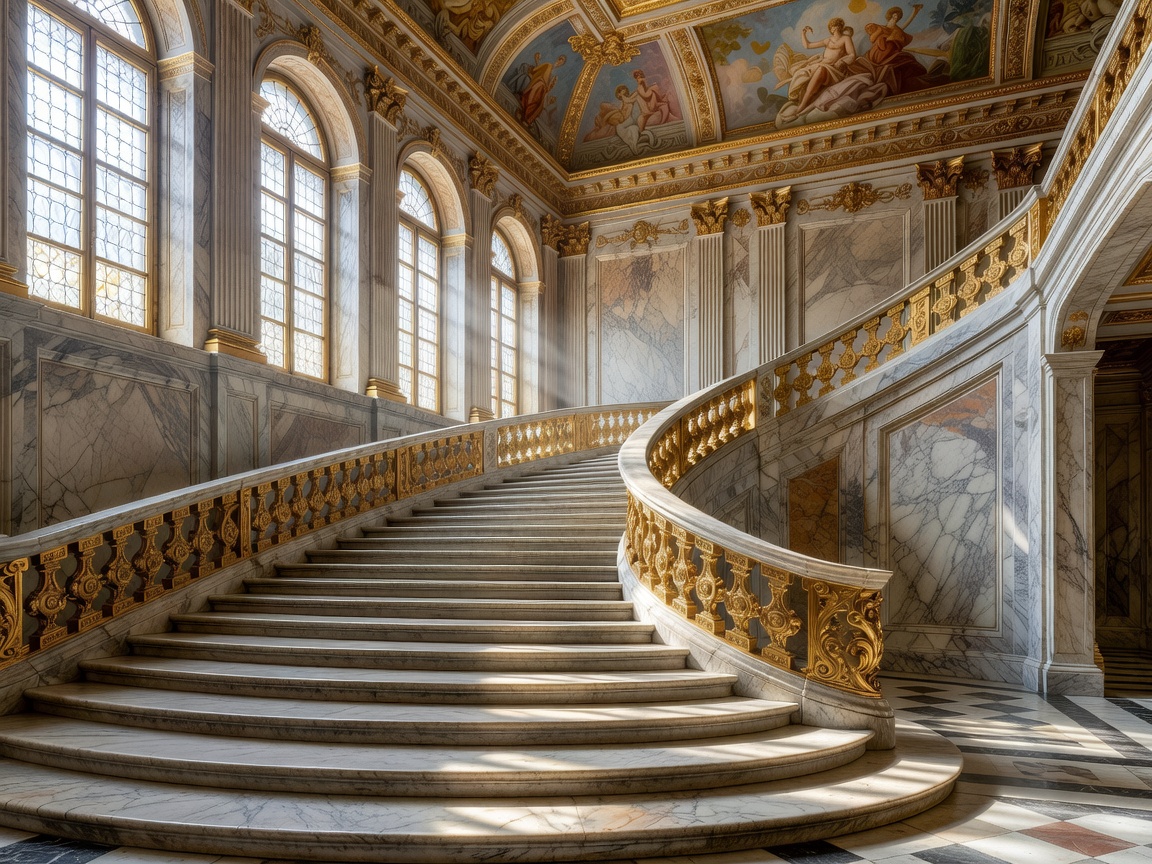
The building was completed in 1863 as the Palais of the Duke of Württemberg, designed for a noble family who wanted a Ringstrasse address on the new boulevard. Ten years later, for the Vienna World Exposition of 1873, the palais was converted into a hotel and opened in the presence of Emperor Franz Joseph I — which is why the building still carries the name Imperial and why its marble staircase is out of scale with any commercial logic. Over 150 years the hotel has hosted visiting heads of state as a matter of routine, and the service culture reflects that: formal, discreet, unhurried.
If you want to understand what the nineteenth century felt like at the top of Viennese society, the Imperial is the most direct experience available. If you want a modern hotel, look at Rosewood instead.
Practical notes: butler service on historic floors is a genuine differentiator — unpacking, pressing, in-room breakfast served properly at a laid table. Ring-facing rooms are triple-glazed; the quietest rooms face the internal courtyard. Entry-level categories are comfortable but do not deliver the palace experience, so we would always encourage guests to book at least a Deluxe or Junior Suite here.
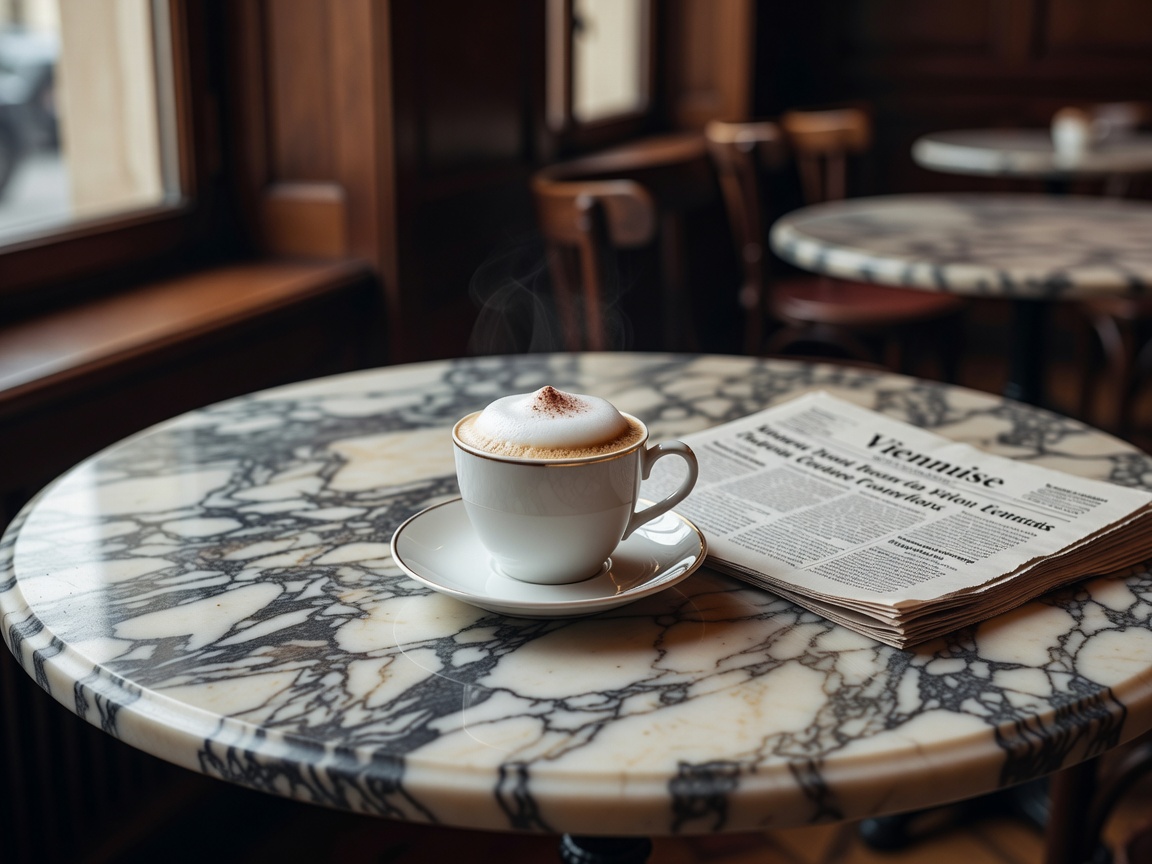
Café Imperial is a Viennese coffee house in the full sense: newspapers on wooden holders, marble tables, waiters in formal dress, and the unhurried licence to sit for two hours over one Melange. The kitchen serves Viennese classics — Tafelspitz, Schnitzel, Backhendl — through the day, and the café is open to the public, which keeps it honest.
The hotel's signature pastry is the Imperial Torte, a very different object from the Sacher-Torte: layers of thin almond marzipan and chocolate, cut into a cube and sold in the distinctive red-and-gold box. Created, according to house history, for Franz Joseph I at the 1873 opening, it is Vienna's other great hotel cake — and to our palate the more interesting of the two.
Elsewhere there is a formal restaurant for dinner, an elegant bar, and one of the most correct afternoon teas in the city, served in the salon with live piano.
The Imperial's wellness offering is compact: a fitness room and treatment services rather than a spa destination. This is a hotel that invests in staff-to-guest ratio, in-room service and event spaces rather than in square metres of thermal area. Business and protocol travellers are well served — private entrances, discreet arrival routes, and meeting salons in genuinely historic rooms.
Vienna State Opera 4 minutes; Musikverein 3 minutes; Karlsplatz and the Secession 6 minutes; Kärntner Strasse immediately behind; Stephansdom 9 minutes; Albertina 6 minutes; Belvedere 15 minutes. Karlsplatz U-Bahn (U1, U2, U4) is 5 minutes, and the Ring tram stops outside the door.
Book a historic suite, arrive at dusk, and take the marble stair slowly. There is no better piece of theatre in Austrian hospitality.
Why Vienna's coffee house culture is protected heritage — and how to order properly.
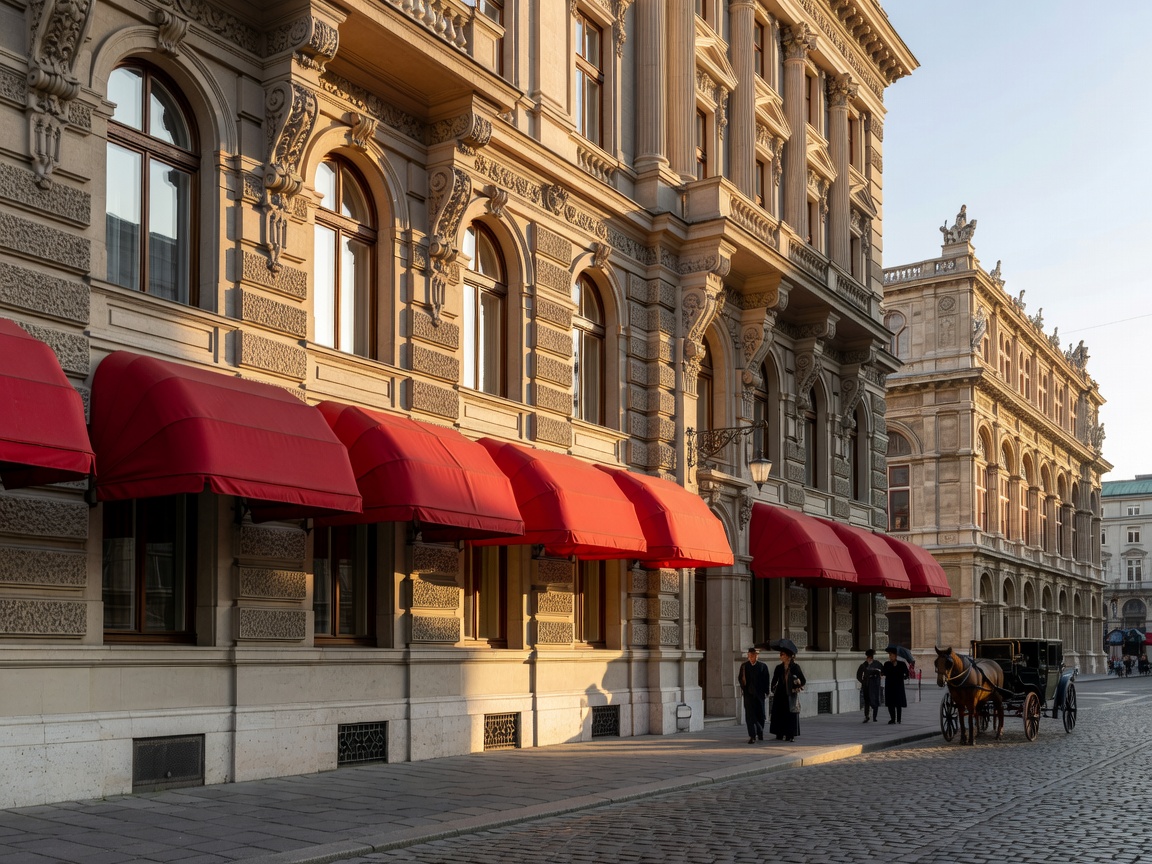
The Imperial's closest rival in ceremony — and the other half of Vienna's cake rivalry.