Food history
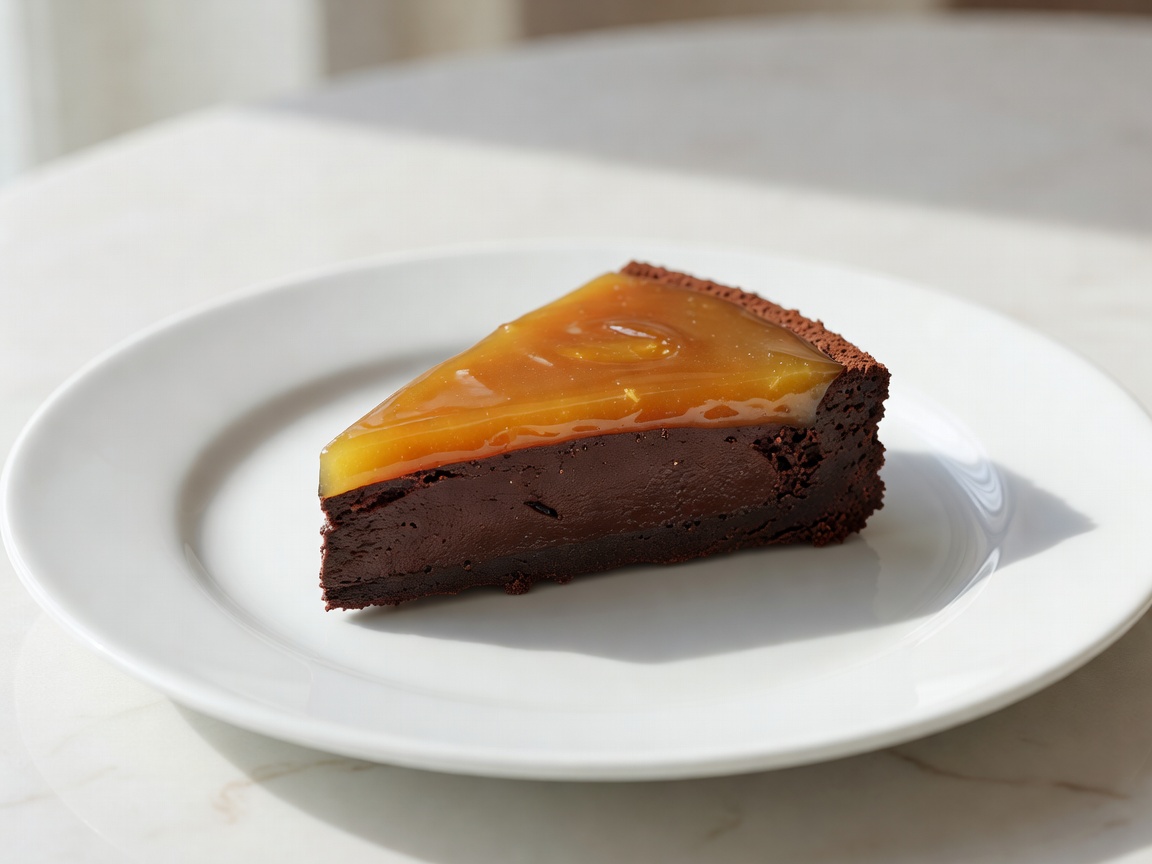
The Chocolate Lawsuit
What to order with your Großer Brauner — and why it took courts decades to name it.
SacherDemel
In 2011 UNESCO inscribed Viennese coffee house culture on its list of intangible cultural heritage. The listing does not protect the coffee. It protects the right to occupy a marble table for three hours over a single cup.
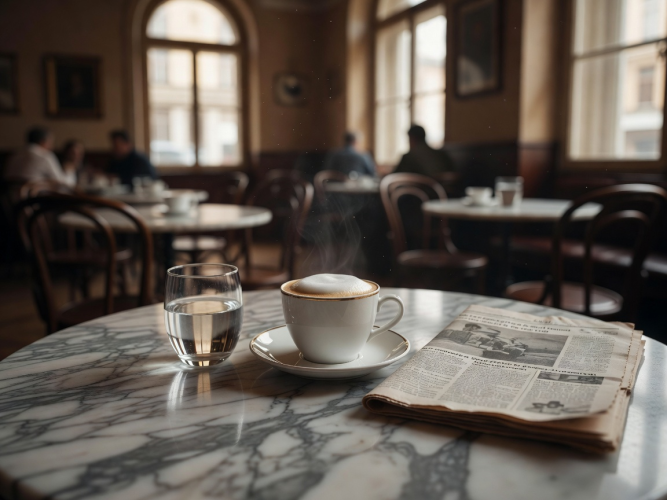
The UNESCO description characterises the Viennese coffee house as a place where "time and space are consumed, but only the coffee is found on the bill." That phrasing is doing real work. It identifies the institution not as a café — Vienna has thousands of those — but as a semi-public living room with its own rules: a waiter in formal dress, a glass of tap water served alongside every coffee and refreshed without asking, newspapers on wooden holders, marble tabletops, Thonet bentwood chairs, and no expectation whatsoever that you will leave.
The tradition dates to the seventeenth century; the first documented coffee-serving licence in Vienna was granted in 1685. The culture that the listing describes, however, is nineteenth-century: the era when Vienna's intellectual life relocated from private salons to public rooms, and when a writer without a heated apartment could plausibly work all winter at the same table.
"Time and space are consumed, but only the coffee is found on the bill." — UNESCO, on Viennese coffee house culture
The Viennese coffee vocabulary is specific and has almost nothing in common with Italian terminology. Asking for "a coffee" will get you a raised eyebrow and, usually, a Verlängerter. Use the list:
| Order | What arrives | Best moment |
|---|---|---|
| Kleiner Schwarzer | Single espresso, black | After dinner |
| Großer Schwarzer | Double espresso, black | Early morning |
| Kleiner Brauner | Single espresso with a small jug of cream | Mid-morning |
| Großer Brauner | Double espresso with cream on the side | With Sacher-Torte |
| Melange | Espresso with hot milk and milk foam, cappuccino-sized | Breakfast or 4 p.m. |
| Verlängerter | Espresso lengthened with hot water | When you plan to stay |
| Einspänner | Double espresso in a glass under whipped cream | Winter afternoons |
| Fiaker | Coffee with rum or brandy and cream | After the opera |
| Kaisermelange | Coffee with egg yolk and brandy | Rarely, and bravely |
Attached to Hotel Imperial on the Kärntner Ring, and the most complete example of the form inside a hotel: formal service, marble, a kitchen serving Viennese classics all day, and the Imperial Torte — a marzipan-and-chocolate cube quite distinct from its Sacher rival. Open to the public, which keeps standards honest.
The most famous and the most crowded. The room is genuinely beautiful — red, dense, theatrical — but at peak hours the queue outside shapes the experience. Guests of Hotel Sacher can reserve through the concierge, which is the single best reason to stay there in tourist season.
Not a traditional Kaffeehaus, but the brasserie at Rosewood Vienna functions as one in practice — and it is the hotel outlet in the First District with the most consistently local clientele at breakfast.
Coffee house culture has been declared dead repeatedly — by the arrival of espresso bars in the 1950s, by international chains in the 1990s, by third-wave specialty roasters in the 2010s. It has survived each time for an unglamorous reason: Viennese apartments are small, winters are long, and a city that rents out its living rooms by the cup has solved a real problem. The heritage listing recognises a social utility as much as a tradition.
What to order with your Großer Brauner — and why it took courts decades to name it.
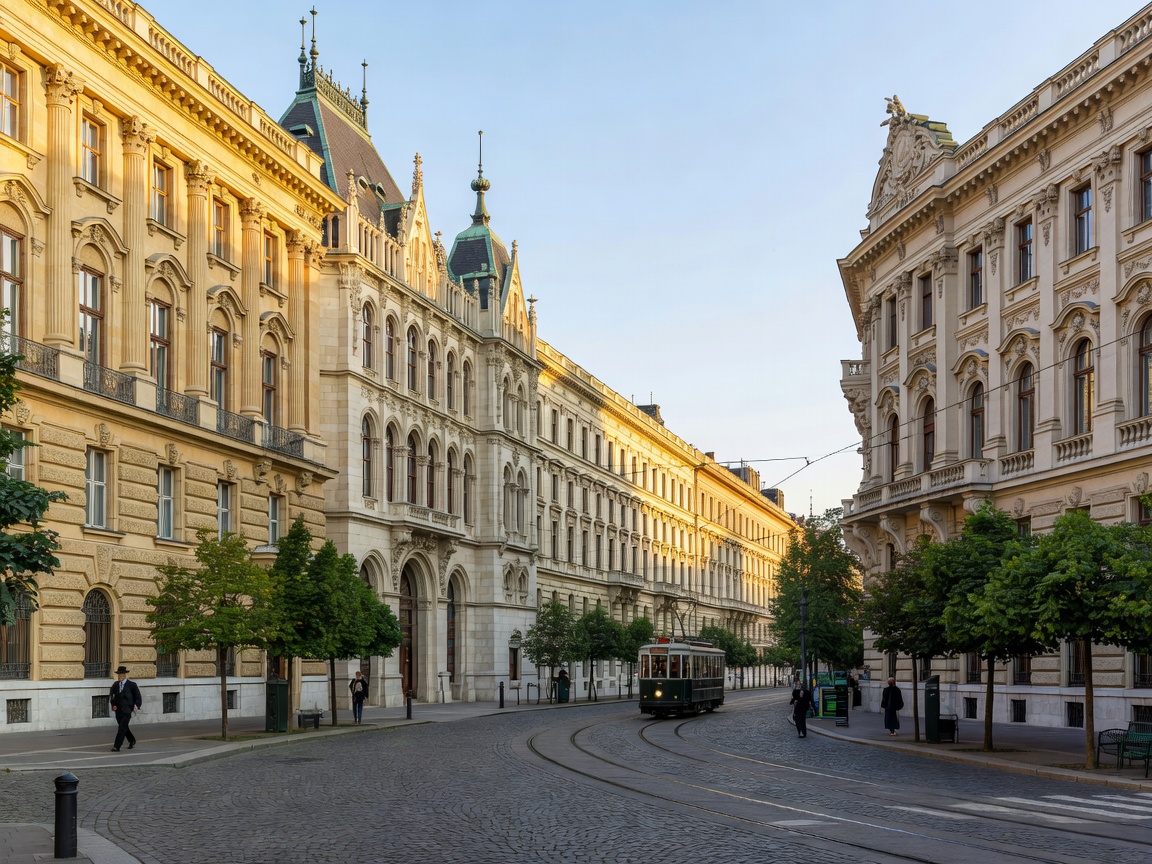
Twelve stops, five kilometres, and four coffee houses timed into the route.