300 m away
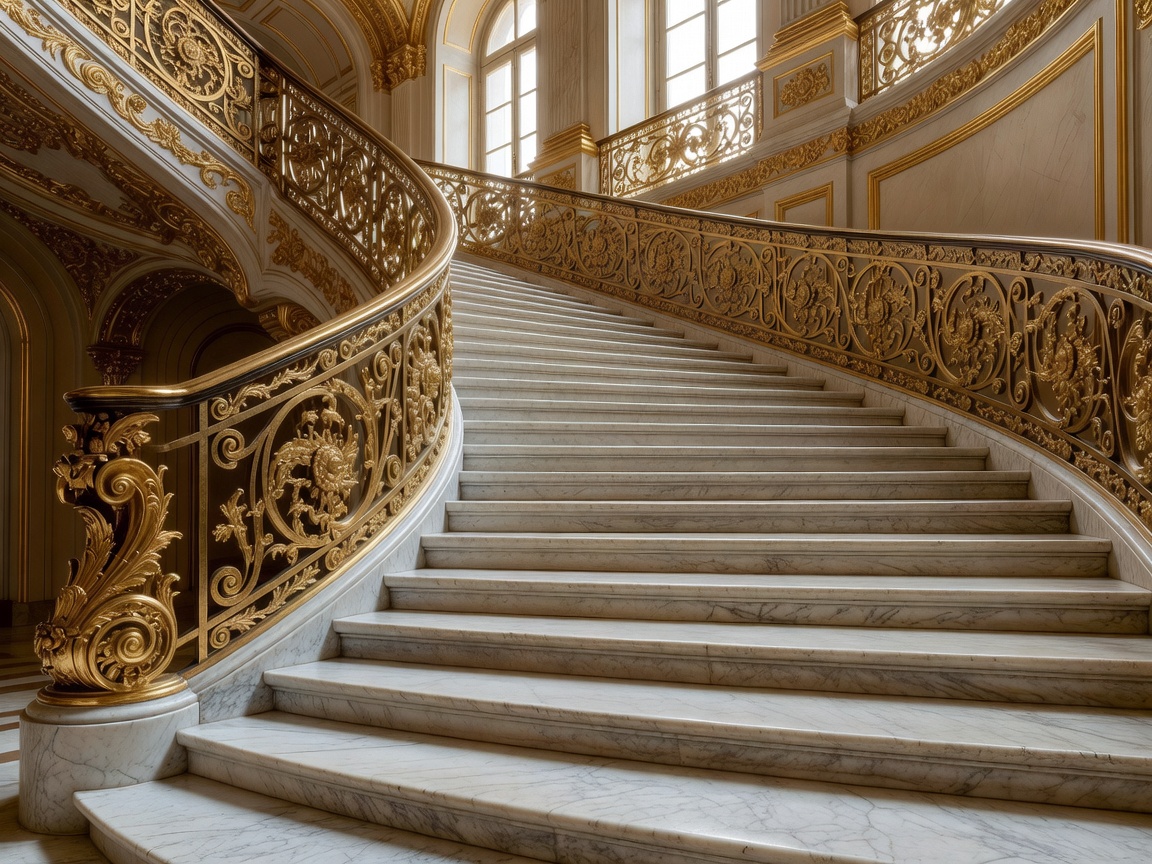
Hotel Imperial Vienna
The other ceremonial choice: a genuine ducal palais with butler service and the city's most famous hotel café.
FormalHistoric
The most photographed hotel facade in Austria stands directly behind the Vienna State Opera, on a street barely wide enough to hold the crowds queuing for a slice of cake. Inside, Sacher is quieter, darker and far more serious than its souvenir reputation suggests.
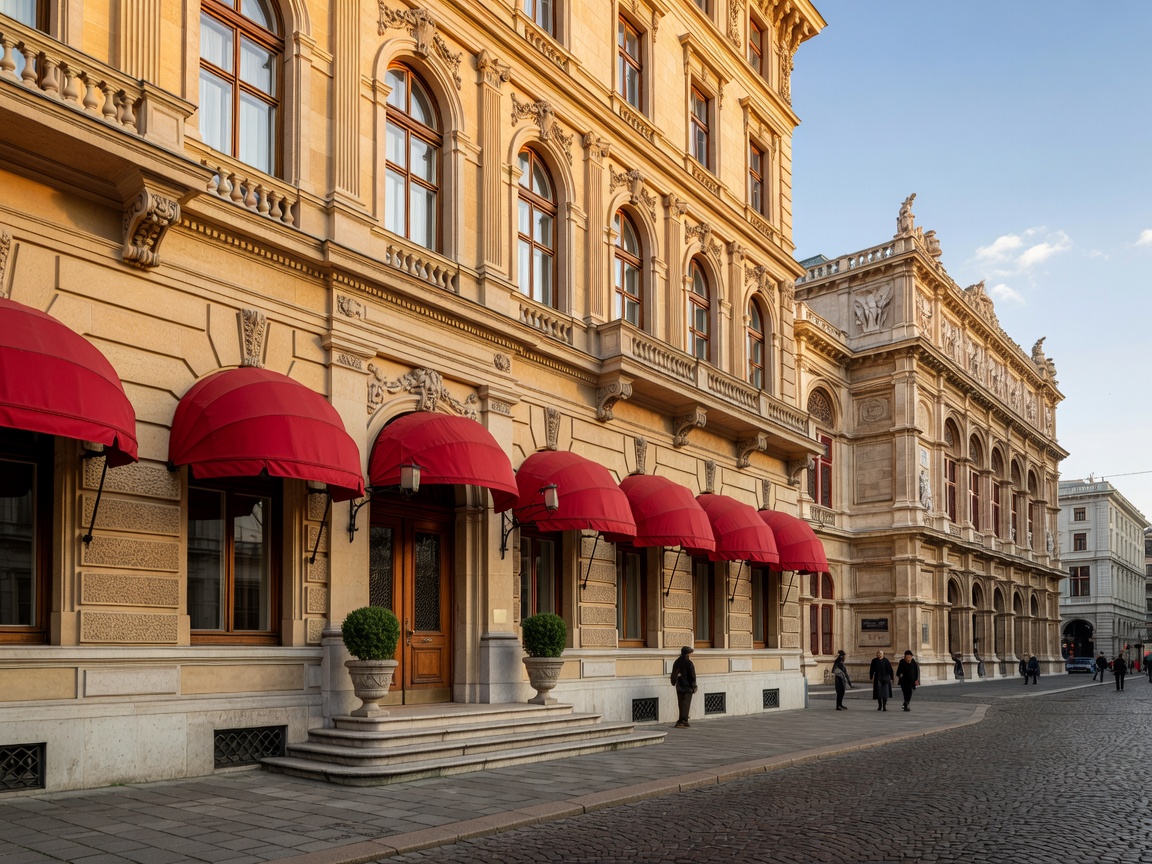
Hotel Sacher Wien opened in 1876, built by Eduard Sacher on the plot left behind when the old Kärntnertortheater was demolished to make way for the new Court Opera. The hotel's second act belongs to Anna Sacher, Eduard's widow, who ran the house from 1892 with cigars, French bulldogs and an address book covering half the Habsburg court. Since 1934 it has been owned by the Gürtler family, who restored the building after wartime occupation and have expanded it continuously — most visibly with the Sacher Boutique Spa and the top-floor suites that look down onto the Opera roof.
What surprises first-time guests is the density of the decoration. Sacher does not do minimalism: oil paintings hang three-high in the corridors, chandeliers are crystal rather than modern glass, and the public rooms are upholstered in a specific shade of theatrical red that the hotel has effectively trademarked in the public imagination. It is a house that wants to be read as a continuous nineteenth century, with twenty-first-century plumbing.
There are 152 rooms and suites across the main building and the adjoining wings. No two are identical — the hotel has been assembled from several structures — and the categories reflect that honestly:
Practical notes from our visits: the courtyard-facing rooms are the quietest in the building, and worth requesting if you sleep lightly — Philharmonikerstrasse itself is pedestrian-heavy until late. Air conditioning is present throughout but discreet. Bathroom sizes vary widely between categories; if bathroom space matters to you, book Deluxe or above rather than Superior.
Sacher runs several distinct outlets, and they attract different crowds:
The cake was invented in 1832 by Franz Sacher, then a sixteen-year-old apprentice, for Prince Metternich's kitchen. Two layers of dense chocolate sponge, a thin seam of apricot jam, a dark chocolate glaze, unsweetened whipped cream on the side — never on top. The hotel's decades-long legal dispute with Demel over the word "Original" concluded in the 1960s with Hotel Sacher retaining the right to call its version the Original Sacher-Torte. We cover the full story in our Sacher-Torte essay.
The spa is deliberately small: a treatment-led facility rather than a thermal complex. Expect a compact fitness area, sauna and steam facilities, and a treatment menu built around the hotel's own Sacher Cosmetics line, plus classic Austrian ingredients such as pumpkin-seed oil and alpine herbs. If lap swimming or a large wet area is central to your stay, note that Sacher does not have a pool — The Ritz-Carlton is the better choice for that.
The hotel occupies one of the most central plots in Vienna. From the front door: Vienna State Opera 60 seconds; Albertina 3 minutes; Kärntner Strasse immediately; Stephansdom 7 minutes; Hofburg 8 minutes; Kunsthistorisches Museum 10 minutes; Naschmarkt 12 minutes. Karlsplatz U-Bahn (lines U1, U2, U4) is a 5-minute walk, which puts Schönbrunn about 25 minutes away door to door.
Sacher is not the most modern hotel in Vienna, nor the largest, nor the best equipped. It is simply the most Viennese — and for a first, ceremonial visit to the city, that is the correct trade.
The other ceremonial choice: a genuine ducal palais with butler service and the city's most famous hotel café.
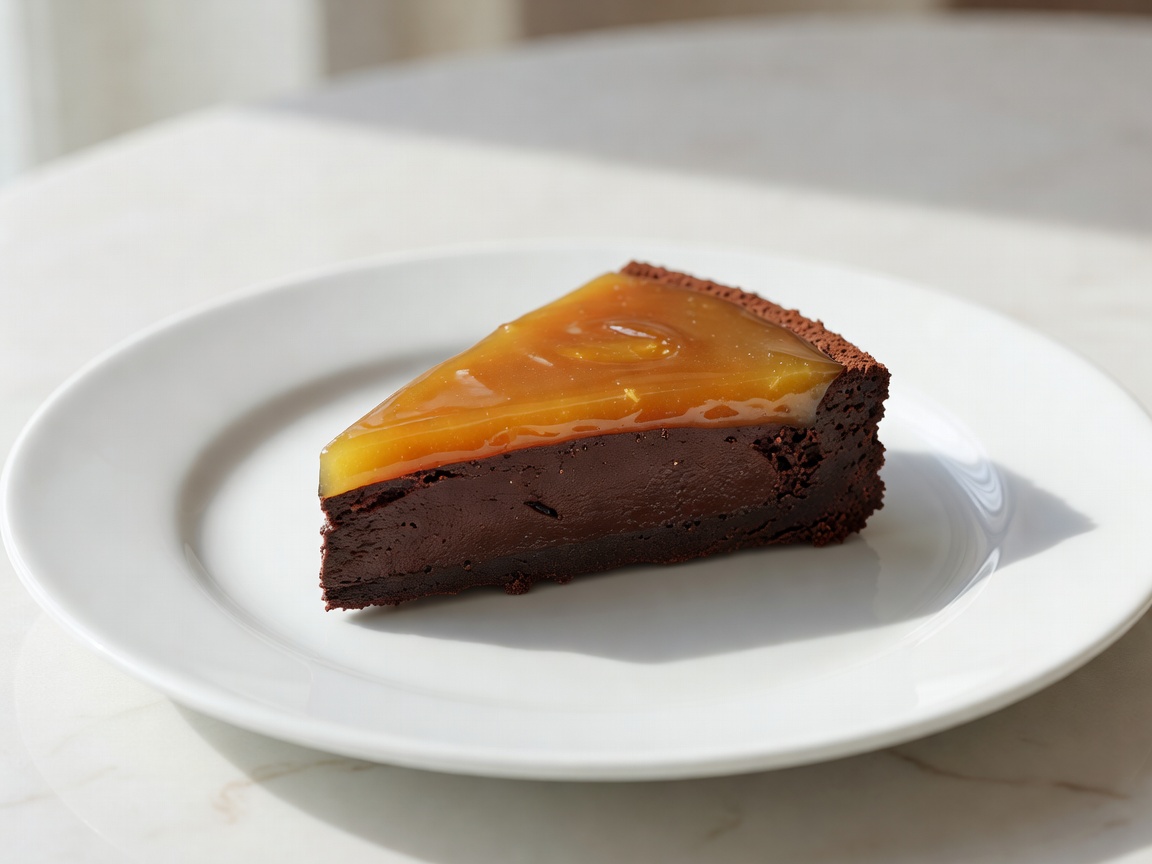
Sacher versus Demel, 1832 to today: the full trademark story behind the word "Original".